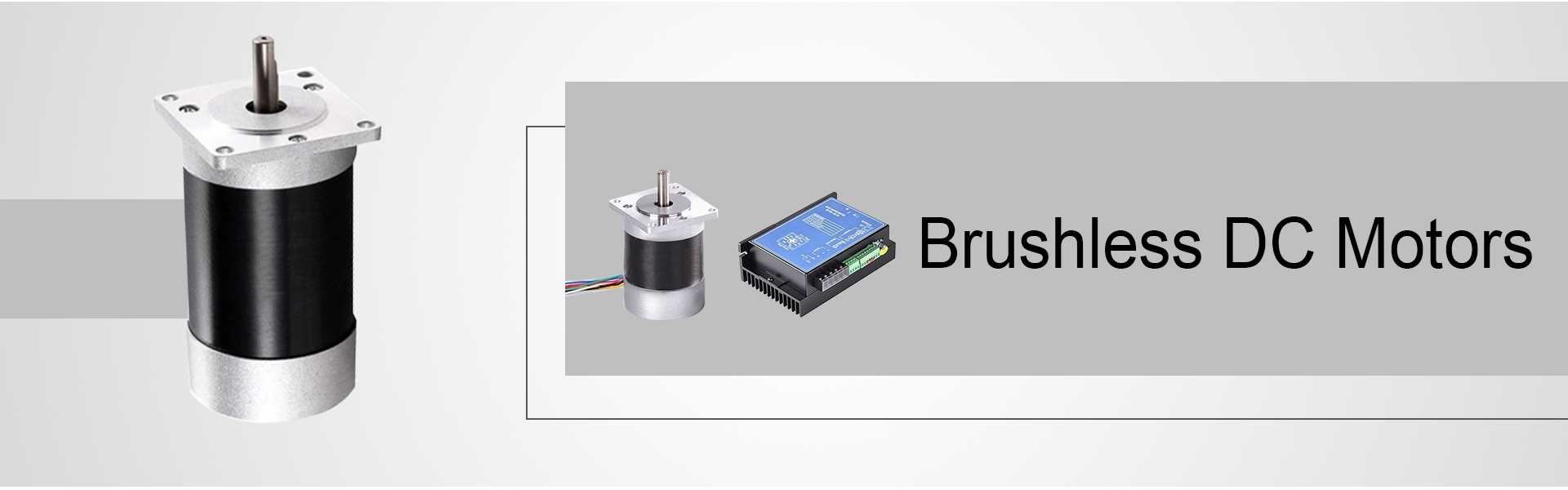

When choosing a brushless DC motor, engineers often have to balance electrical performance, mechanical dimensions, and application requirements at the same time. BLDC motors are available in many configurations, making them suitable for systems ranging from small battery-powered equipment to larger industrial machinery. The goal is not simply to find a motor with the highest power or RPM, but to identify the configuration that matches the actual operating conditions.
Torque and speed are two of the most important performance characteristics. Continuous torque determines whether the motor can handle the normal load, while peak torque becomes important during startup and acceleration. The required operating speed should also be considered because a motor's maximum RPM does not necessarily represent its useful speed under load. Voltage, power, duty cycle, and controller capacity should be evaluated alongside torque and speed.
Physical configuration can narrow the selection further. BLDC motors are available in different NEMA frame sizes, while shaft dimensions and motor length can affect mechanical integration. Applications with limited installation space may require a compact or frameless brushless motor, while equipment using standardized mounting arrangements may benefit from a specific NEMA size. Sensored, sensorless, outrunner, and inrunner configurations provide additional choices according to control and mechanical requirements.
Brushless DC motors can support a wide range of applications, including industrial automation, robotics, AGVs, AMRs, CNC-related equipment, pumps, fans, drones, electric vehicles, and other electric drive systems. The priorities can differ significantly between these applications, but the same basic selection principles remain relevant: determine the required torque and speed, match the voltage and controller, confirm the mechanical dimensions, and account for the operating environment.
A complete evaluation of these factors provides a more reliable way to select a BLDC motor. Instead of choosing a motor based on one advertised specification, engineers can compare different brushless motor configurations according to the actual requirements of the machine.
Recorta tu avatar